Environmental information
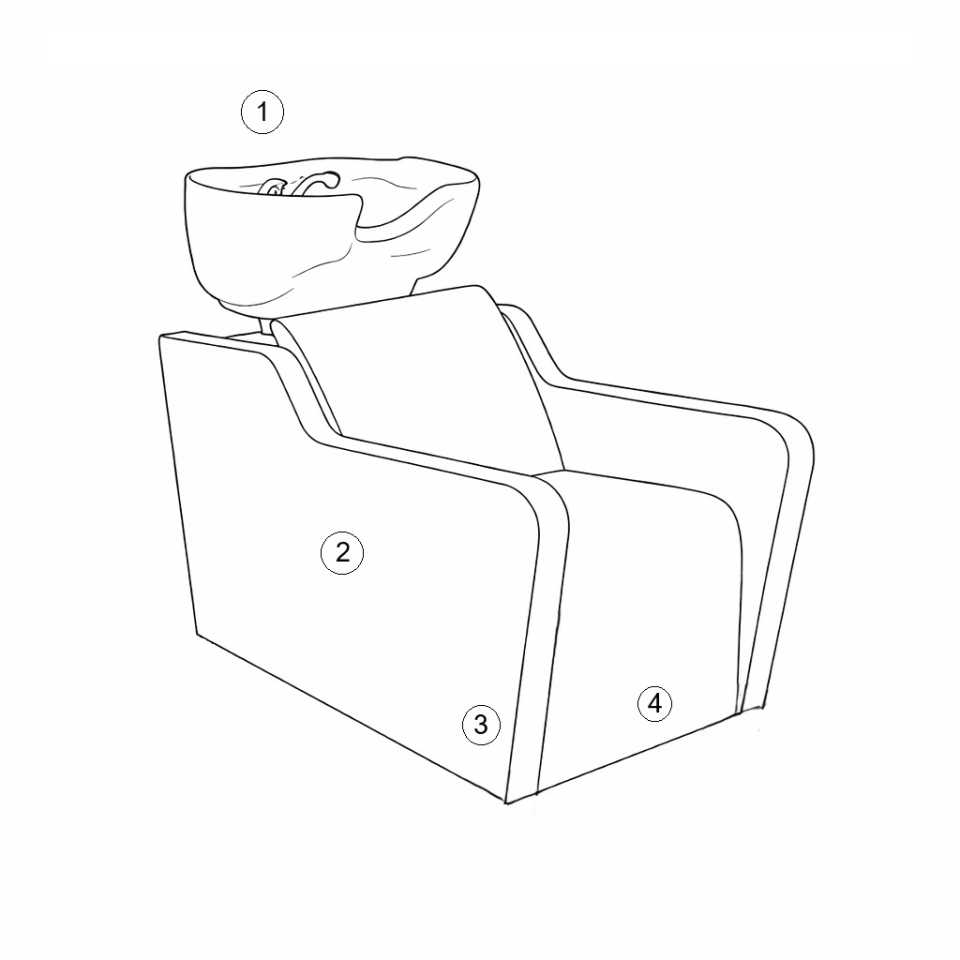
The following information presents the materials used in the manufacture of a wash unit, using our flagship model Topwash Eco as an example. Like an automobile, a wash unit combines numerous elements to form the final product. This data, compiled with the help of our partners, may be useful for analysis during purchase, maintenance, and end‑of‑life disposal.
Nelson Mobilier provides daily advice and components to help improve and extend the lifespan of our products. For any request, please contact info@nelson-mobilier.com, attaching a photo of your wash unit and the part you are looking for.
1. Materials used
Topwash Eco is made up of several families of materials. The following list presents the main components:
- Metals: steel, galvanised steel, stainless steel, aluminium, brass
- Plastics: PVC, PA6 (polyamide), technical plastics, vinyl (PVC + PES + cotton)
- Wood‑based materials: OSB (oriented strand board), multi‑layer plywood
- Elastomers: rubber
- Ceramics: porcelain
- Foams: flexible polyurethane foam
- Packaging: cardboard and plastic film
2. Recyclability by material type
Recyclability and access to recycling channels depend on local infrastructure and regulations.
| Material | Recyclability | Notes |
|---|---|---|
| Steel / aluminium / stainless steel / galvanised steel | Recyclable | Recovered through pressing and remelting |
| Brass | Recyclable | Recovered in foundries |
| PVC | Recyclable | In dedicated recycling channels |
| PA6 (Nylon) | Recyclable | Through polymerisation processes |
| Other plastics | Variable | Depends on polymer type and local facilities |
| OSB / Multi‑layer plywood | Recyclable if separated | Sent to specialised platforms |
| Vinyl upholstery | Not recyclable | PVC with textile backing |
| Cardboard / packaging plastics | Recyclable | Selective collection |
| Porcelain | Not recyclable | Disposal according to regulations |
| PU foam | Not recyclable | Disposal according to regulations |
3. End‑of‑life treatment
- Metals: recovered by pressing and reworked in steel mills or foundries
- Plastics: reprocessed through melting and polymer recovery where channels exist
- Wood: collected and sent to wood recycling centres
- Electrical components: handled by the ECOEM consortium, in accordance with the WEEE directive
- Non‑recyclable materials (PU foam, porcelain): disposed of according to local regulations
4. Disassembly and material separation
Topwash Eco is composed of distinct sub‑assemblies (metal structure, hydraulic components, plastics, wood, upholstery, electrical elements).
These elements can be separated at end of life to direct each material to the appropriate treatment or recycling channel.
5. Notes on the upholstery
The vinyl used for the seat and armrests is composed of:
- 88% PVC (vinyl coating)
- 8% PES (polyester textile backing)
- 4% CO (cotton textile backing)
This structure is typical of coated fabrics used for professional seating.
Alternative materials are available on request but offer lower performance.
For more information, contact info@nelson-mobilier.com.
6. Regulatory compliance
- Electrical components are covered by ECOEM for end‑of‑life management (WEEE directive).
- No additional environmental certification is claimed beyond those provided by supplier documentation.
7. Maintenance – Extending the life of the wash unit
Regular maintenance significantly extends the lifespan of a wash unit.
Topwash is designed for intensive salon use.
Its metal structure, technical components, and upholstery materials are selected to withstand humidity, care products, and repeated usage cycles.
Best practices:
- Clean the ceramic basin regularly with non‑abrasive products
- Wipe metal parts after each use to prevent corrosion
- Use neutral detergents to preserve the vinyl upholstery
- Periodically check hydraulic and electrical connections
Replaceable parts
Several elements can be replaced to extend the life of the wash unit.
| Area | Replaceable parts | Recommended frequency |
|---|---|---|
| Ceramic basin | Mixer tap, waste, drainage pipes, tilting system | Every 3–5 years depending on use. The basin itself can be replaced if necessary. |
| Seat and backrest | Foam, vinyl upholstery | According to visual wear or comfort. Massage the upholstery once a year with a neutral face cream (test on a hidden area first). Use protective covers to preserve the upholstery over time. |
| Metal structure | Jacks, supports, screws | In case of play or wear |
| Electrical elements | Cables, extensions, power supply, compressor | Annual check, replacement if necessary. Clean the compressor filter and vacuum the electrical area at least once a year. |